|
PROGRAMMED MACHINES (1988-) |
|
|
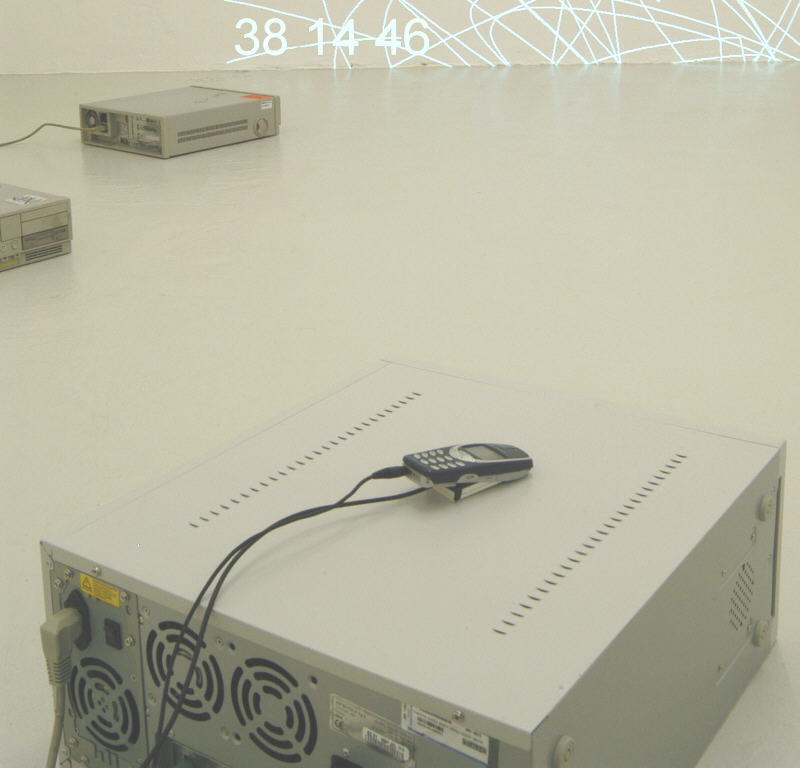
Thirty
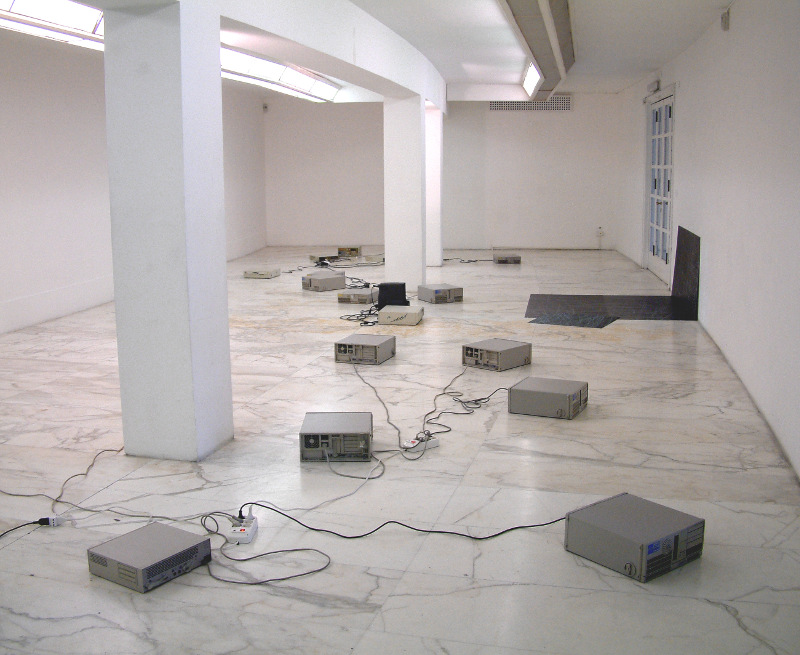
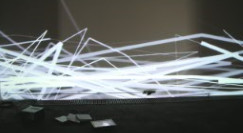
years ago Maurizio Bolognini began using computers to generate a flow
of continuously expanding random images (Programmed Machine series). Hundreds of computers were programmed and left
to run ad infinitum. |
|
|
"I do not consider myself an
artist who creates certain images, and I am not merely a conceptual artist. I am one whose machines have actually traced more lines than anyone else, covering boundless
surfaces. I am not interested in the quality of the images produced by my installations but rather in their
flow, their limitlessness in space and time, and the possibility of creating parallel universes of information made up of kilometres of images and infinite
trajectories. My installations serve to generate out-of-control infinities......"
(MB) |
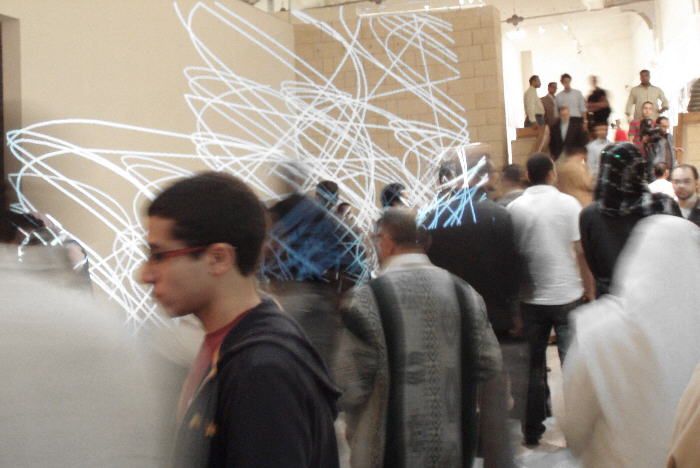
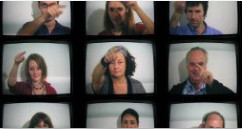
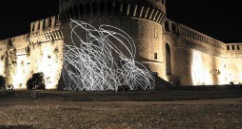
More time more space (Machine Art), Galerie Depardieu, Nice, 2006. Hundreds of persons who draw in the air.
|
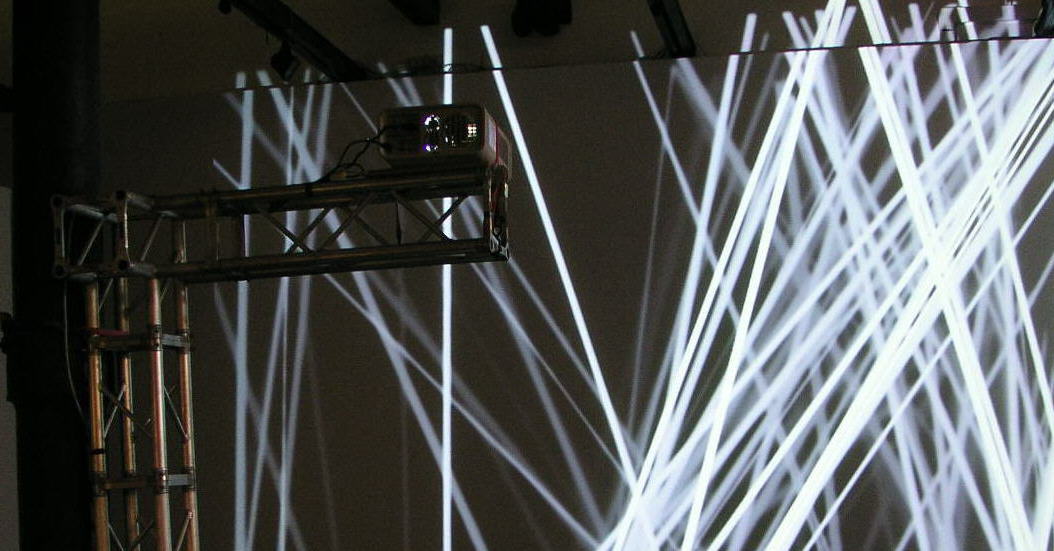
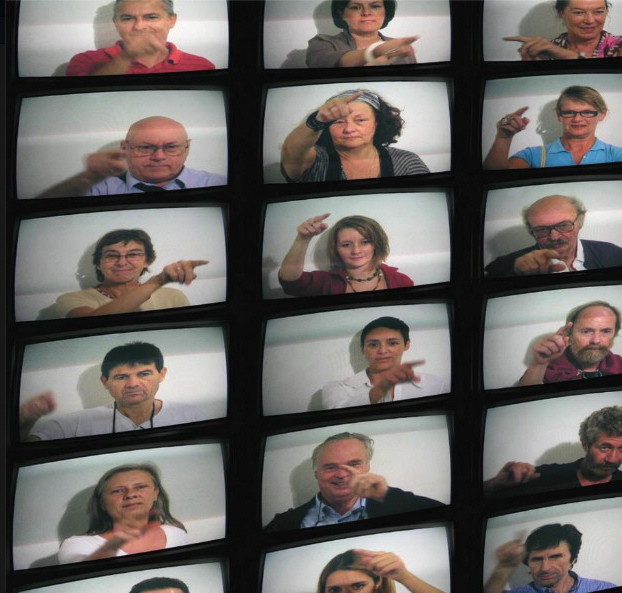
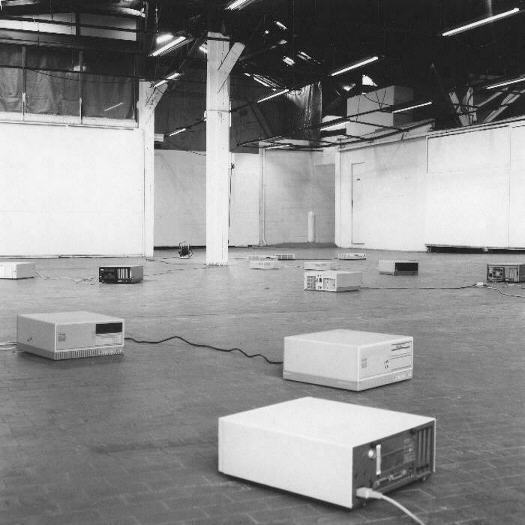
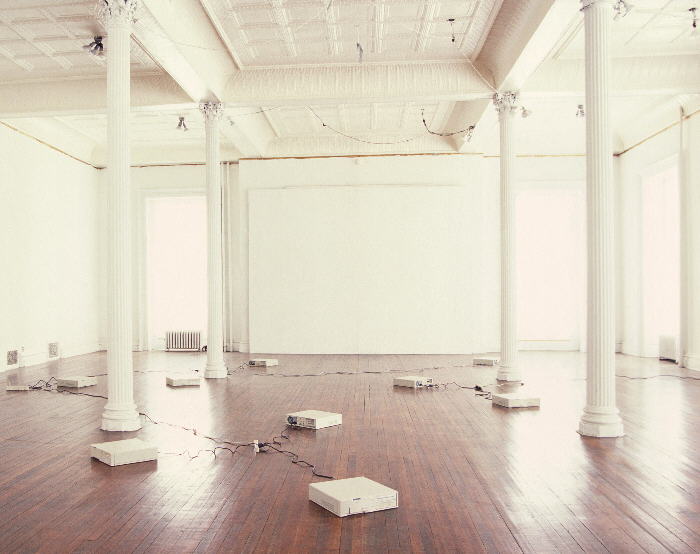
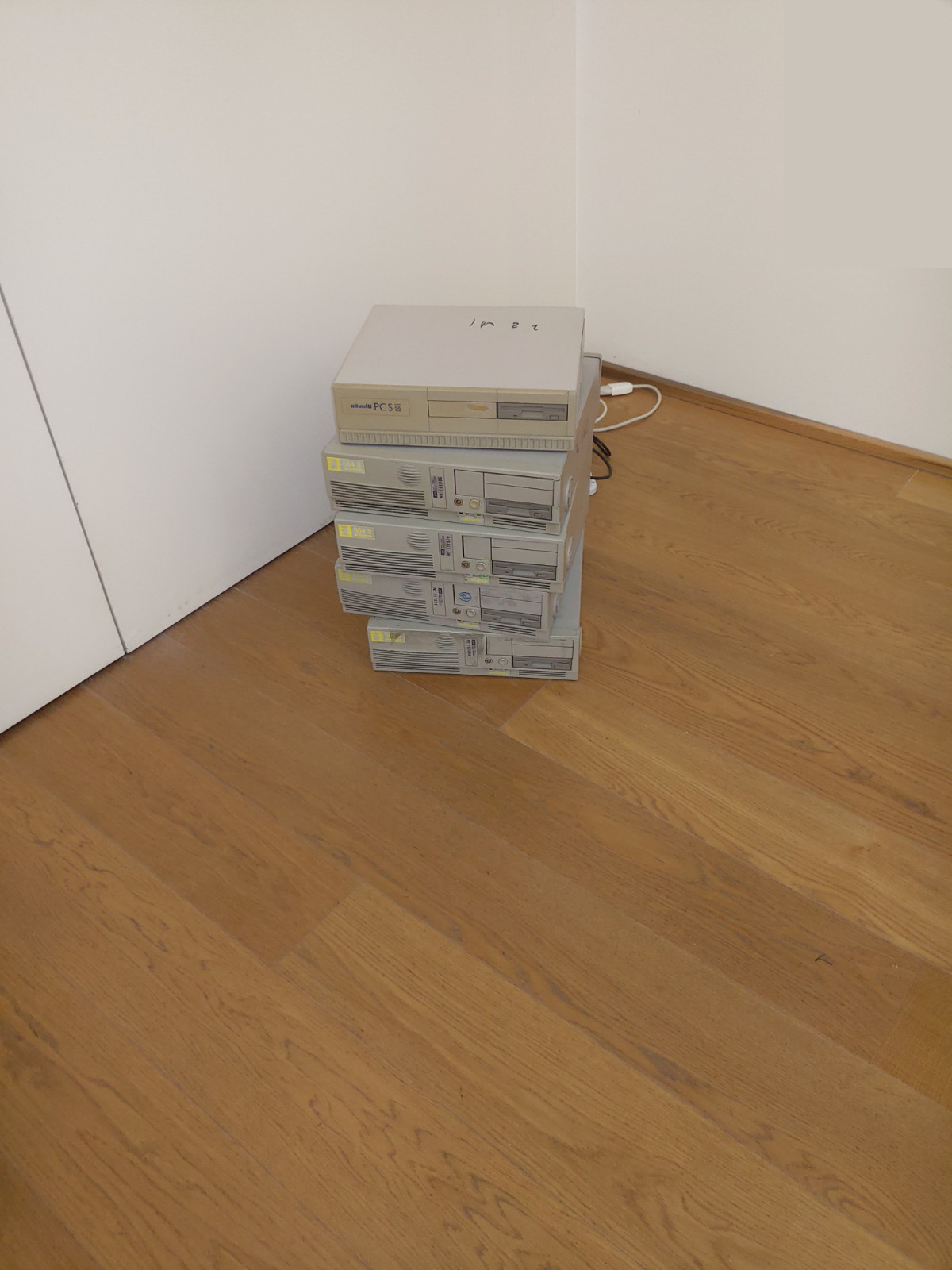
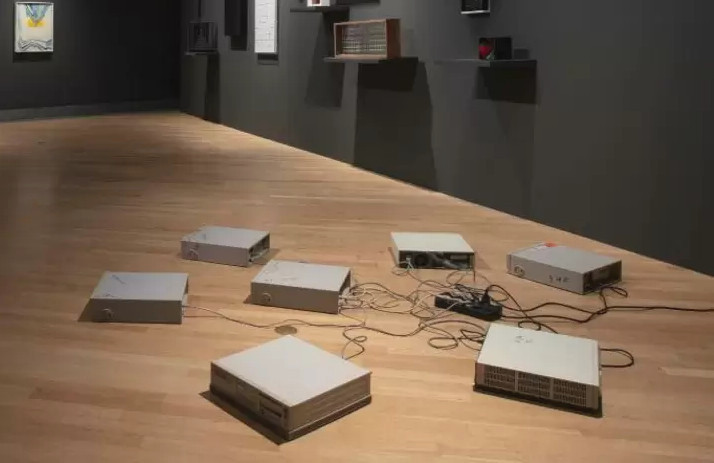
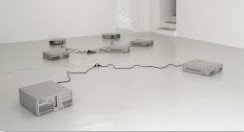
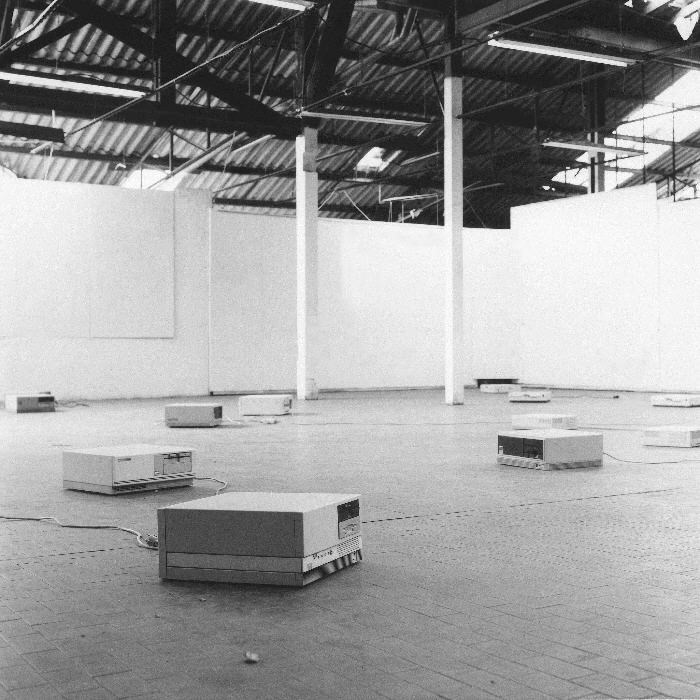 Post-screen works (since 1992). Sealed Computers, Atelier de la Lanterne, Nice, France, 1992-98 |
 |
||
|
"Bolognini's cryptic universe is silent and inaccessible as a
galaxy. [...] Generating images that would cover a surface area of approximately four square miles a
day,
the installation could feasibly cover every inch of the world."
"The 'instructed' machines [...] continue on their
own, involving the temporal and spatial dimensions,
tending towards a geographical vastnesss in which the image, the sign, become
a process of measurement [...] between the real and the illusory
dimensions......." |
"Bolognini's
work is often referred to as the conceptual side of artistic research
linked to digital technologies, both because his installations take up
some themes of conceptual art (space, time, infinite dimension...)
with new means, and because,
in many cases, they consist in the realization of
self-sufficient devices, activated in a minimal and abstract way....."
|
INTERACTIVITY (2000-)
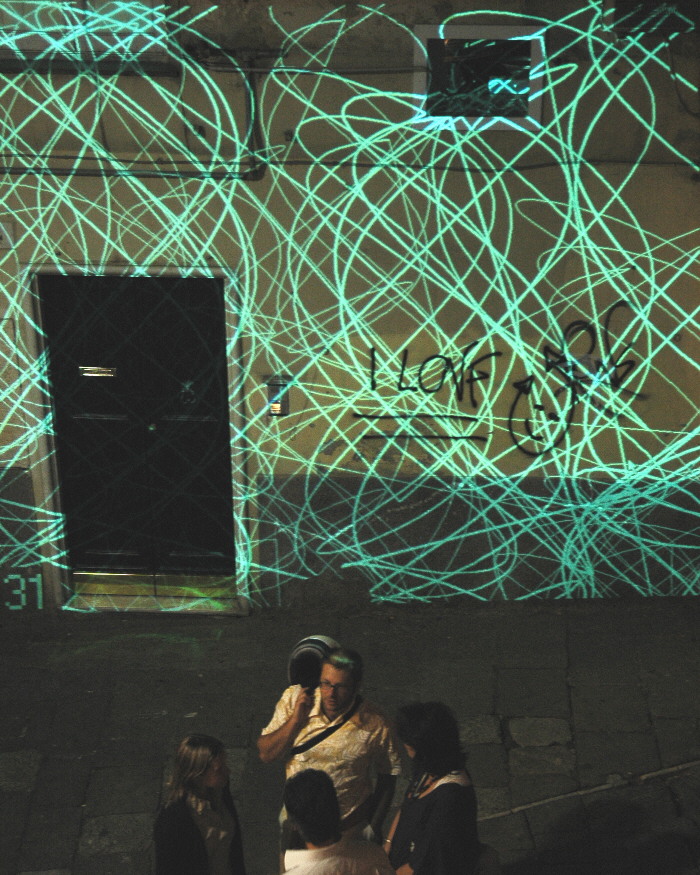
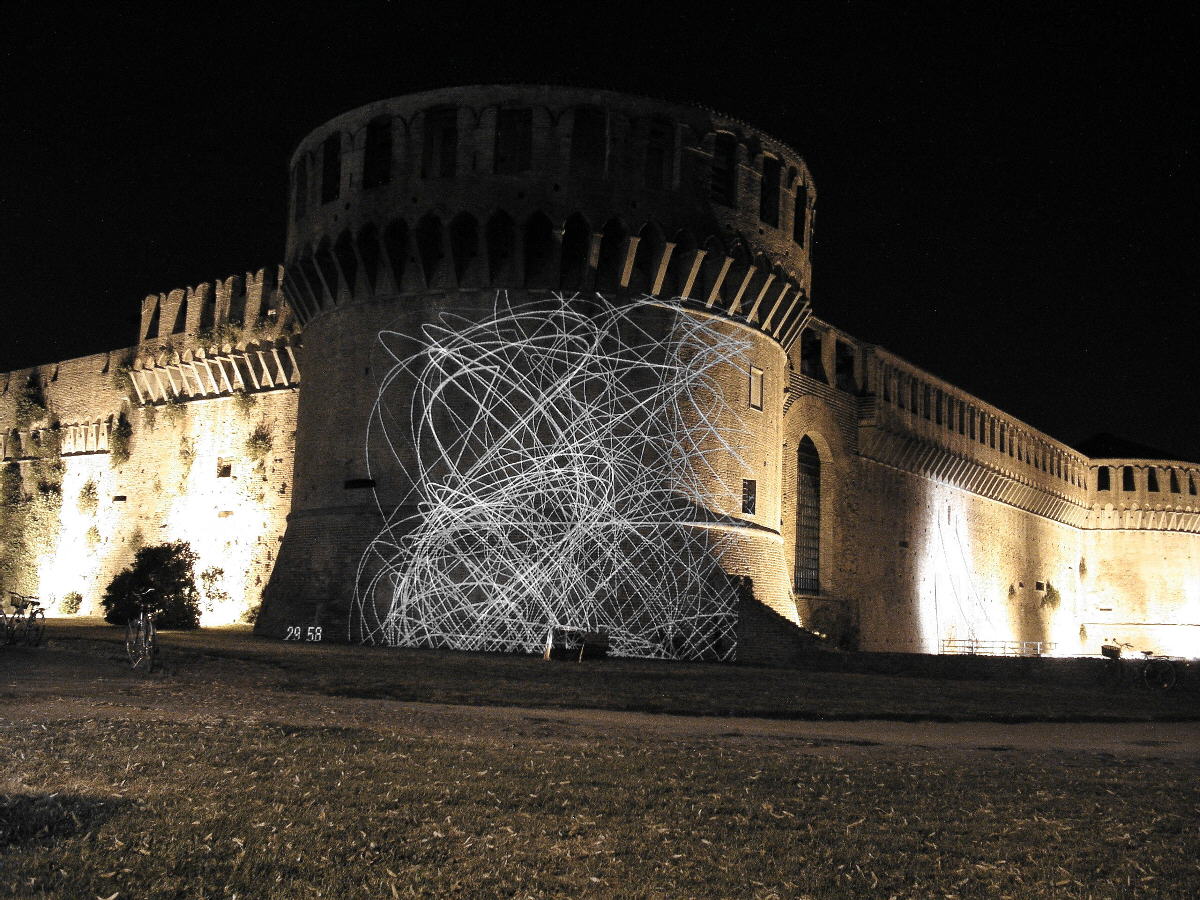 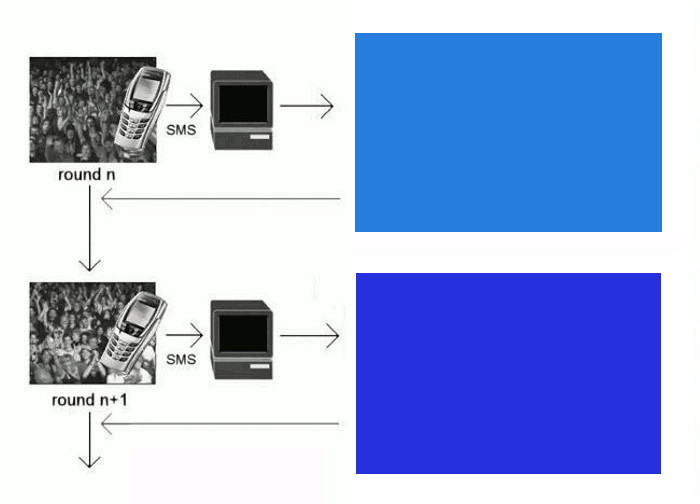 "Maurizio Bolognini revises the very notion of a digital device to encompass hardware, software and the public. Postdigital artists see digital devices as enmeshed in social processes and patterns. [...] New modes of participation offer a variety of possibilities for digital art in which there is a shift from weak modes of public interaction to stronger modes that promote democracy and public decision-making. To be sure, digital art in the future will utilize participatory technologies and mobile communications to a greater extent. It is the pervasiveness of digital technology in our everyday lives that underpins the postdigital character of art.... ” (C. Hope, J. C Rian, Digital Art: An Introduction to New Media) |
SMSMS-SMS Mediated Sublime
from interactivity to democracy:
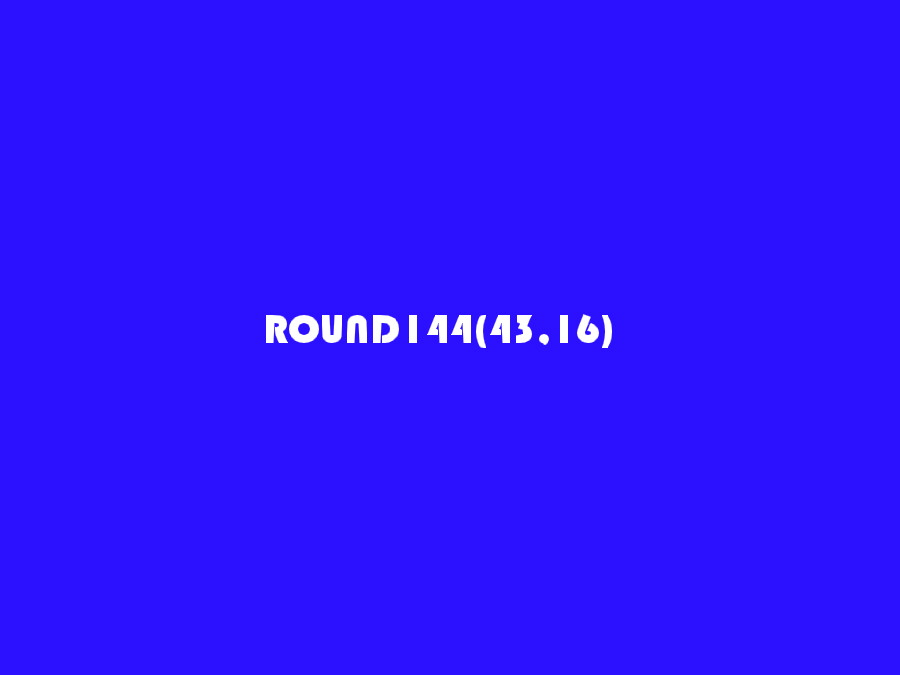
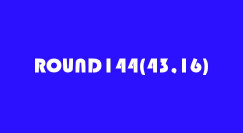
ICB-Interactive Collective Blue
The interaction structure
of the CIMs was also used in ICB (Interactive Collective Blue) to define a
series of
Democratic Blues.
ICB/Round 144,
42 x 64 cm, 2006. |
TECHNOLOGICAL SUBLIME
|
"Maurizio Bolognini's work is located in the narrow edge zone that separates the subject’s acceptance of, and surrender to, the preponderance of technology, from the residual determination to strive against it, which remains after all jubilatory human-centric self-illusion has been laid aside [...]. He is in perfect harmony with all our work on the aesthetics of communication and the technological sublime." Mario Costa "This limit of consciousness at the edge of the anthropic principle is demonstrated in Maurizio Bolognini’s Sealed Machines (1992). Described as a key development in software art, the work consists of a collection of computers, set to generate images according to Bolognini’s programming, with sealed monitor bus ports. The complete inaccessibility of the vast quantity of visual imagery created by the work references a technological sublimity of the void beneath the digital world........ " Benjamin Garfield  |
|

About
Studio, Bangkok; Archivio Cavellini, Brescia; Archivio Gualco, Genova;
CACTicino, Bellinzona; Galerie Air de Paris, Paris; Galleria Neon,
Bologna; Galleria Cortese, Milano; Galleria Leonardi V-idea, Genova;
Galleria Minini, Brescia; Galleria Persano, Torino; Gering Gallery, New
York; Gitte Weise Gallery, Sydney; Jennjoy Gallery, San Francisco; Musée
Gauguin, Papeari, Tahiti; Museo Bunkier Sztuki, Kracow; Studio Morra,
Napoli; Telles Fine Arts, Los Angeles
"Museophagia, the name says it all, means the tendency or habit of eating
museums. It is something that the Internet is beginning to do right now, or at least it is taking
nibbles. The first evidence of museophagia, in fact a kind of digital bulimia, was the attempt of Bill
Gates, through a company called Corbys, to gobble up by fact of digitization and scanning all the contents of museums and galleries that Corbys deemed
fit, to regurgitate them on line, at a cost, of course, via proprietary channels.
MAIN WORKS
MUSEOPHAGIA (1998-99)
MPT (Museophagia
Planet Tour), 1998-99
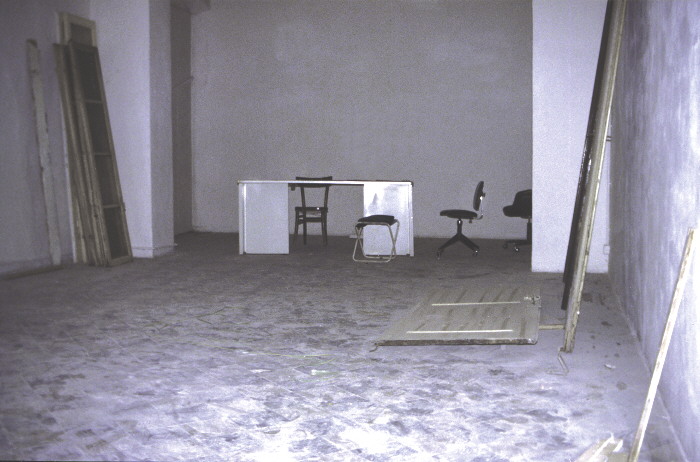
Galleria
Cavellini,
Brescia 1998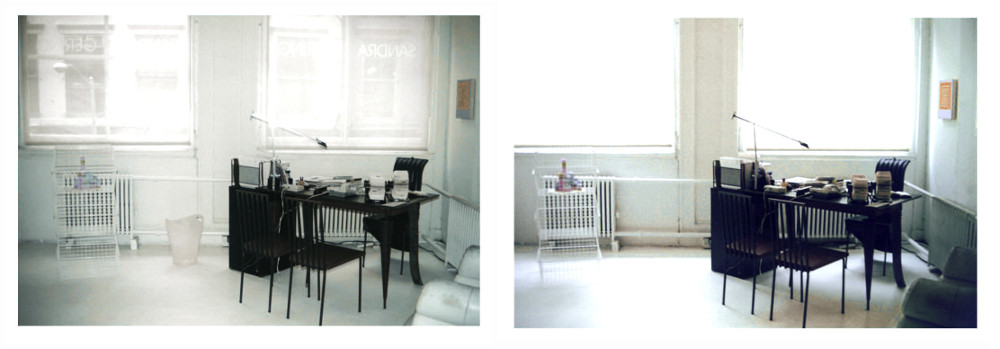
Sandra Gering Gallery, New York, 1999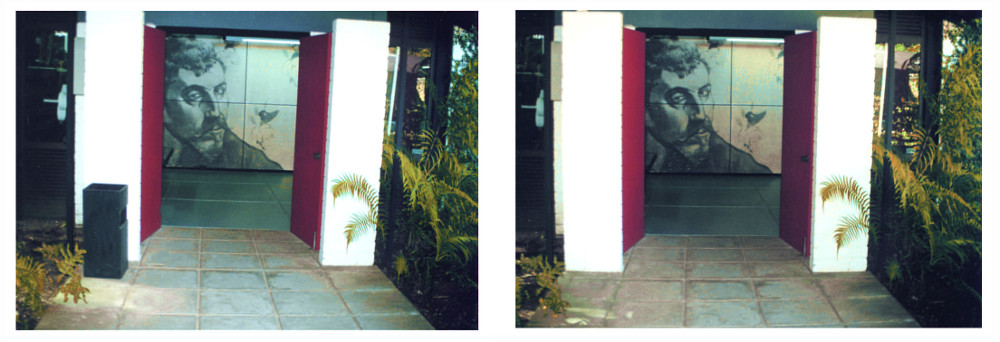
Musée Gauguin, Papeete (Tahiti), 1999
Museophagia
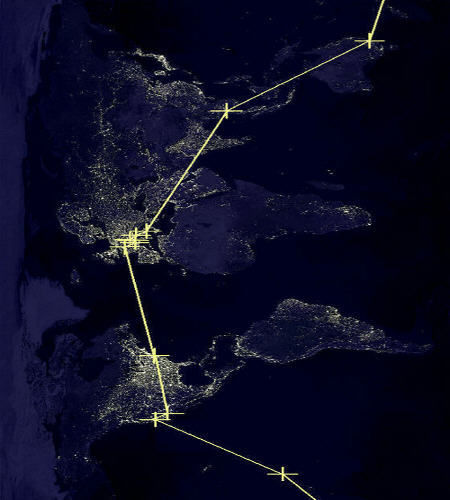
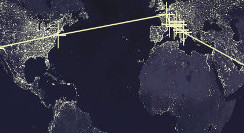
Planet Tour was an action which spread
from the Cavellini Gallery in Brescia (1998) to art galleries in many other
cities, including Paris, New York, Los Angeles, San Francisco, Papeete,
Sydney, Bangkok... reached by going on a trip around the world (Museophagia
Planet Tour, 1998-99). The artist took pieces of furniture and objects from
each of these galleries, putting together a travelling collection which was
transported from one gallery to another and from one continent to another........."
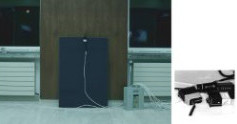
Museophagia, the website and the subject of this book, is more modest in its intentions than those of Bill
Gates, it merely purports to consume via digitization objects (furniture, fixtures
etc.) that Maurizio Bolognini took from art galleries of various cities, during a world tour starting from the Cavellini Foundation
Gallery. Fair game........"
Derrick de Kerckhove
- Computer sigillati / Sealed Computers
(1992-)
- IMachines (IMs) (1988-)
- WMachines (WMs) (1988-)
- Maps / Mappe (1988-)
-
Room #11 / Stanza 11 (2007)
-
Game Addiction (2017)
- Demoscopic installations / Installazioni demoscopiche
(1997-99)
- Altavista (1997)
- Antipodes (1998)
- Museophagia
(1998-99)
- E-gouttoirs
(1999-)
-
SMSMS (SMS Mediated Sublime)
(2000-)
- Machine Art (2006-)
-
ICB (Interctive Collective Blue)
(2006)
- Extratime / Extratempo (2014)
-
Flesh (1989)
- Interferenze (1992-)
- Interactive Ascii Self-Portraits (1995)
- Schermi firmati / Signed Screens (1996)
- NAA (Nikkei Assisted Art)
(1997)
- Oltrearte (1997-)
- AIMS (Artificial Intelligence Mediated Sublime (2001)
- thevirtualgallery.org (2003).....
|intro
index|